JP / EN
ONLINE STORE
Why — The Problem
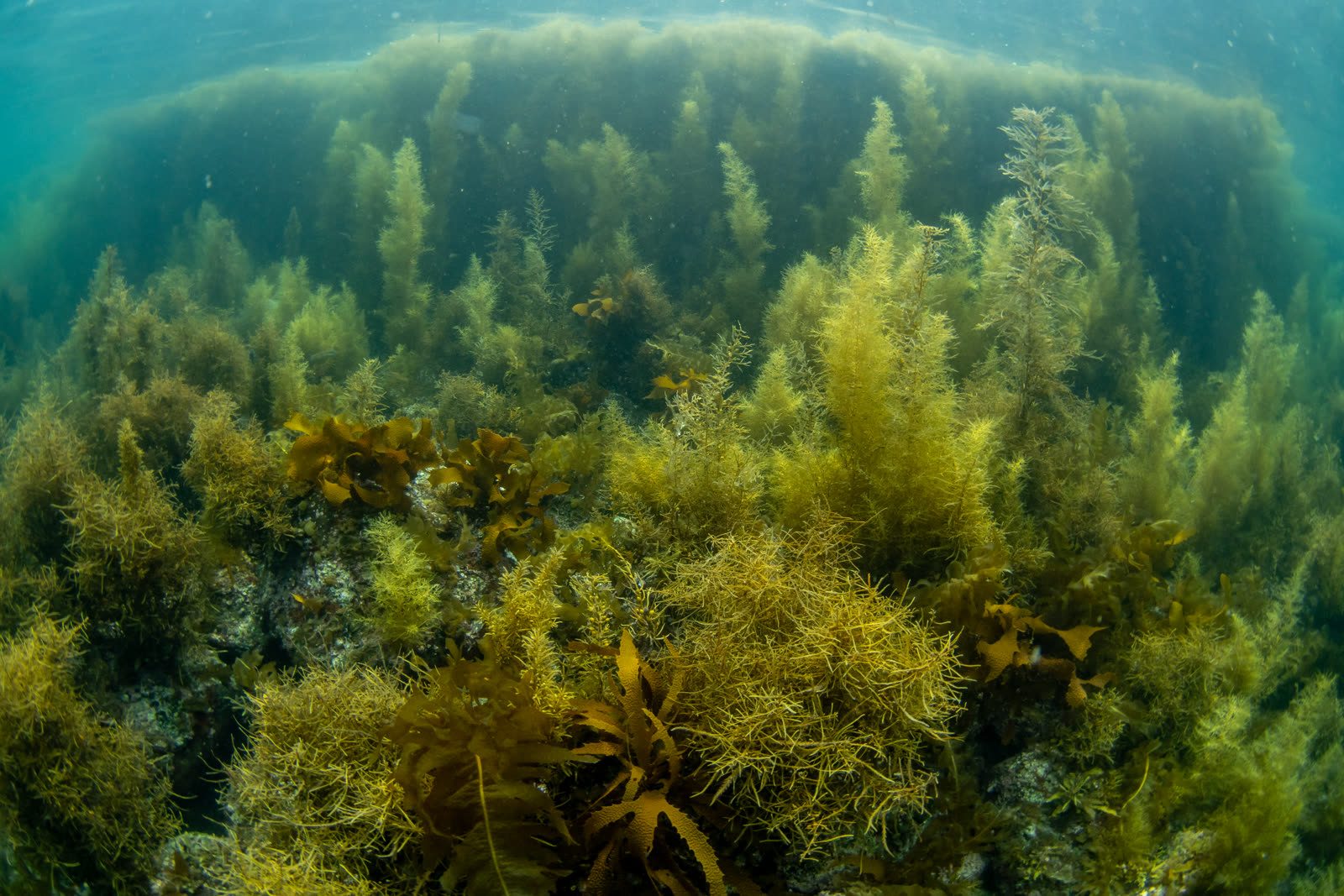
“Isoyake” — the vanishing of seaweed forests. Its impact reaches, quietly, into our daily lives.
“Isoyake” describes seaweed vanishing from coastal rocks, leaving bare white stone exposed. Once lost, a seaweed bed rarely returns on its own if left alone.
Rising sea temperatures and grazing by sea urchins and herbivorous fish — the causes are complex and vary by region. At our site in Karatsu, overgrazing by gangaze urchins is one of the major factors.
Spawning and nursery grounds for fish and shellfish, the blue carbon that absorbs CO₂, and the region's fishing grounds and food culture — the very foundation of the ecosystem is lost, all at once.
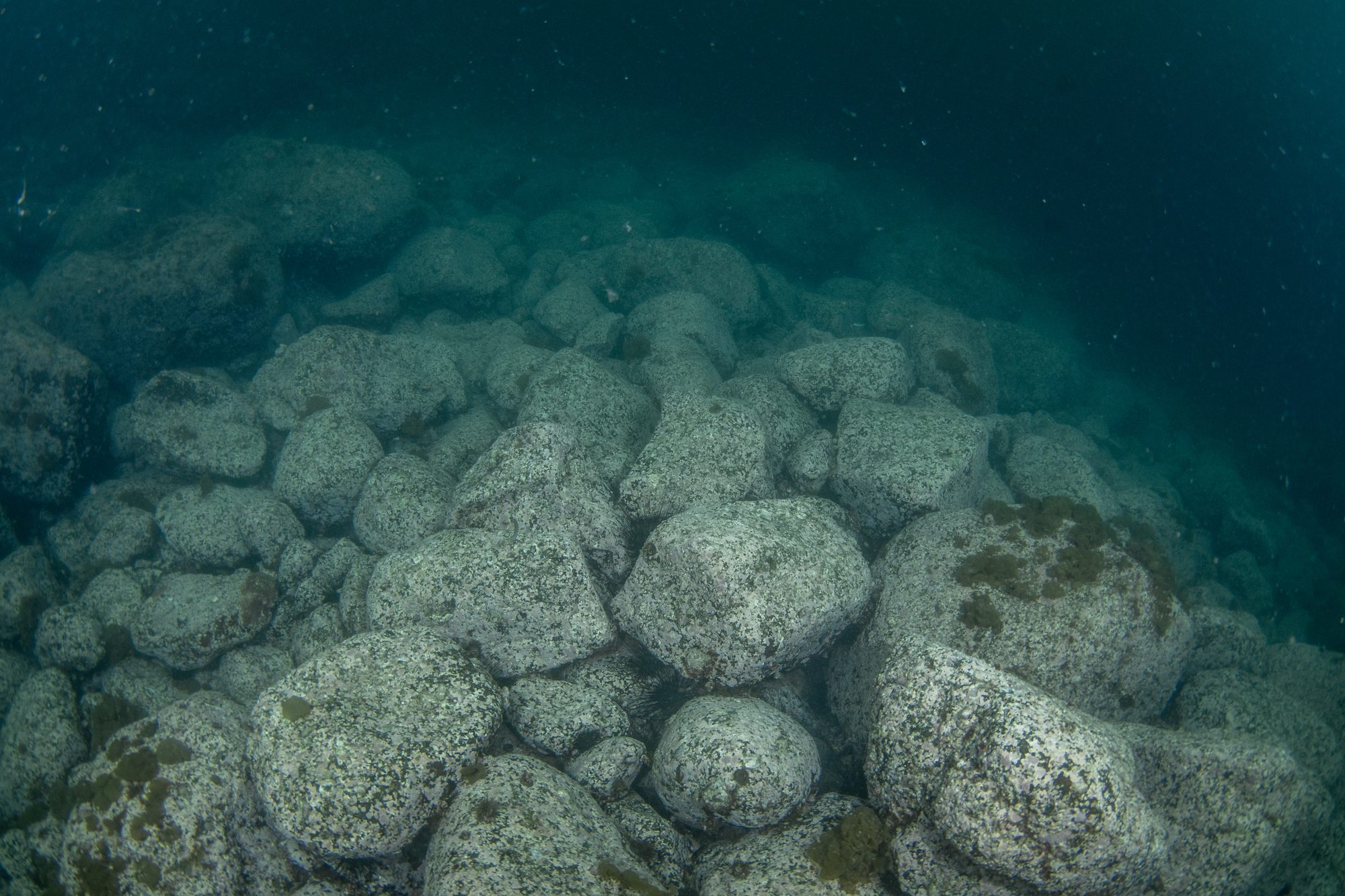
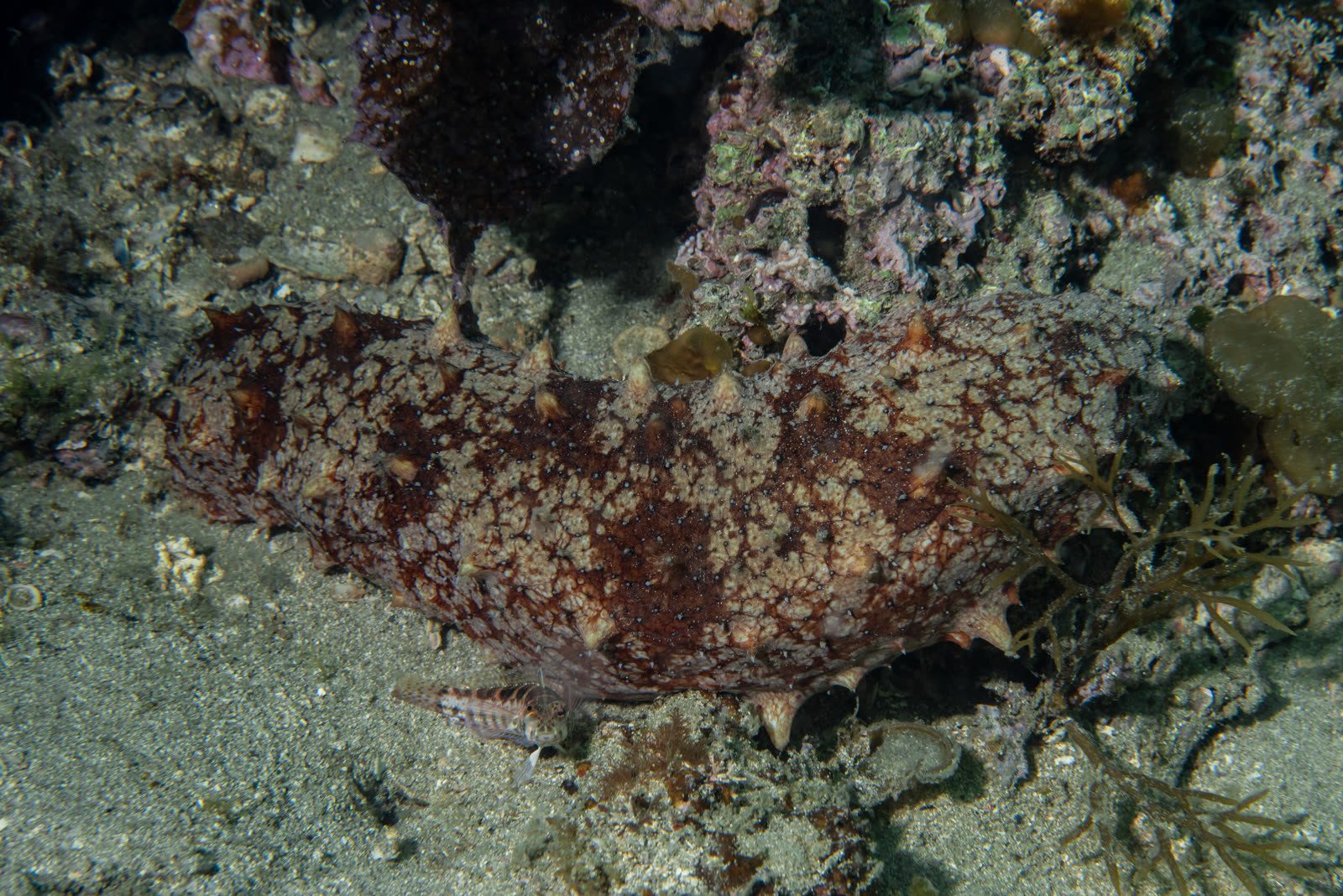
A chain reaction that begins with warming tips the sea toward the forces that devour its beds.
In the sea of Karatsu, at the end of that chain, we found grazing by the gangaze urchin.
“Isoyake” — seaweed vanishing to leave bare rock — is spreading along coastlines nationwide.
As the foundation of the marine ecosystem erodes, the impact quietly reaches our daily lives.
Source: Fisheries Agency of Japan, Marine Fishery Production Statistics / Fishery Output (e-Stat); Fisheries White Paper. The 2030 figure is a projection extrapolated from past trends — not an official forecast. Interim years plot selected data points.
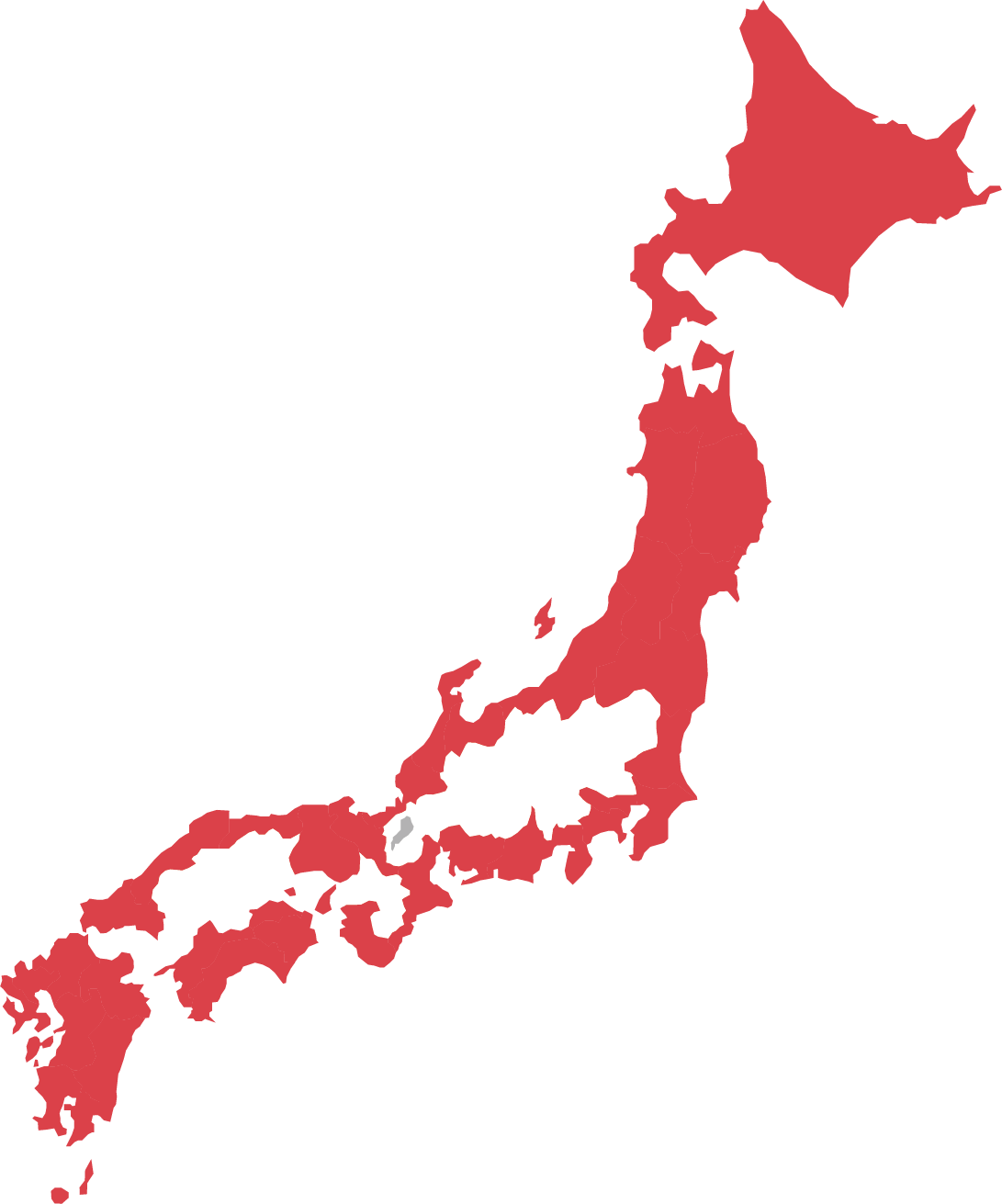
Isoyake occurs along coastlines nationwide, from Hokkaido to Kyushu.Nearly every coastal region is affected (white areas: inner bays, Seto Inland Sea, etc.). Reference: Fisheries Agency, Isoyake Countermeasure Guidelines (illustrative map)
Isoyake is not the sea's problem alone. Falling catches drive away the next generation of fishers; financial strain leads to overfishing; and that, in turn, further impoverishes the sea. Three problems, each making the others worse.
Seaweed beds serve as feeding, shelter, and spawning grounds for marine life. Their loss strikes at the foundation of the ecosystem — and translates directly into declining catches.
Management rules have not kept pace with environmental change, and fishers squeezed by declining catches are pushed into overfishing to survive.
As target species shift and catches fall, fishing has become far less viable than before — leaving the industry facing severe labor shortages and an aging workforce.
Restoring the sea is not enough. Raise the value of the catch, grow the number of people connected to the sea, and change the rules. We pursue four moves at once.